

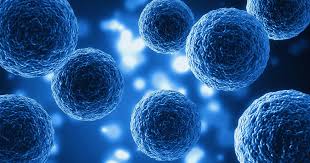
In recent years, aesthetic medicine has undergone a major transformation with the rise of regenerative therapies. Among the most innovative and promising developments is exosome therapy, a cutting-edge approach that is reshaping the way clinicians treat skin aging, hair loss, and tissue damage.
Exosomes are rapidly gaining attention in the field of non-surgical aesthetics due to their powerful regenerative and cellular communication properties. Unlike traditional cosmetic treatments that focus on surface-level improvements, exosomes work at a deeper biological level to stimulate natural repair mechanisms and improve overall skin health.
This article explores what exosomes are, how they work, and why they are becoming one of the most advanced tools in modern aesthetic medicine.
What are Exosomes?
Exosomes are tiny extracellular vesicles released by cells. They act as biological messengers, carrying important information such as proteins, lipids, and genetic material (RNA) between cells.
In simple terms, exosomes help cells communicate with each other. This communication plays a crucial role in tissue repair, inflammation control, and regeneration.
In aesthetic medicine, exosomes are typically derived from stem cells and are used for their ability to:
- Stimulate collagen production
- Promote cellular regeneration
- Reduce inflammation
- Enhance skin healing
- Improve overall tissue quality
Because of these properties, exosomes are considered a breakthrough in regenerative aesthetics.
How Exosome therapy works
Exosome therapy involves the application of purified exosomes to the skin or scalp. These exosomes then interact with the patient’s cells and trigger biological repair processes.
Step-by-Step Process
- Skin preparation
The treatment area is cleansed and sometimes prepared with microneedling or laser to enhance absorption. - Application of exosomes
Exosomes are applied topically, injected, or combined with procedures such as microneedling or laser resurfacing. - Cellular communication
Exosomes deliver growth signals to skin cells, activating regeneration pathways. - Tissue repair and renewal
The skin gradually begins to produce more collagen, elastin, and hyaluronic acid. - Visible improvement
Over several weeks, patients notice smoother, firmer, and more youthful-looking skin.
Benefits of Exosome therapy in aesthetic medicine
Exosome-based treatments offer a wide range of benefits, making them highly attractive for patients seeking natural rejuvenation.
- Powerful skin rejuvenation
Exosomes stimulate deep skin repair, improving texture, tone, and elasticity. The result is healthier and more radiant skin.
- Collagen and Elastin Production
One of the main causes of aging skin is the decline in collagen and elastin. Exosomes help reactivate fibroblast activity, restoring firmness and structure.
- Reduction of Inflammation
Exosomes contain anti-inflammatory molecules that help calm irritated or damaged skin, making them ideal for sensitive skin conditions.
- Faster Healing After Procedures
When used after laser treatments or microneedling, exosomes accelerate recovery and reduce downtime.
- Improvement of Skin Tone and Texture
Patients often experience:
- More even complexion
- Reduced fine lines
- Smoother skin surface
- Smaller pores
Exosomes vs PRP: what is the difference?
Platelet-Rich Plasma (PRP) has long been used in regenerative aesthetics. However, exosomes represent a more advanced evolution of this concept.
| Feature | PRP | Exosomes |
| Source | Patient’s blood | Stem cell-derived |
| Growth factors | Limited | Highly concentrated |
| Inflammation control | Moderate | Strong |
| Standardization | Variable | More consistent |
| Regenerative power | Moderate | High |
While PRP remains effective, exosomes are considered more potent and predictable in their results.
Exosome therapy for skin rejuvenation
Exosomes are widely used to treat signs of aging, including:
- Fine lines and wrinkles
- Skin laxity
- Dull complexion
- Sun damage
- Loss of elasticity
By stimulating cellular regeneration, exosomes help restore a more youthful and vibrant appearance without surgery.
Exosomes for Hair Restoration
Beyond skin rejuvenation, exosome therapy is also highly effective in treating hair loss.
When applied to the scalp, exosomes can:
- Stimulate dormant hair follicles
- Improve blood circulation
- Strengthen hair shafts
- Reduce hair thinning
- Promote new hair growth
This makes exosomes a promising alternative or complement to traditional hair restoration treatments.
Combination treatments with Exosomes
Exosomes are often combined with other aesthetic procedures to enhance results.
- Microneedling + Exosomes : Microneedling creates microchannels in the skin, allowing deeper penetration of exosomes and significantly boosting collagen production.
- Laser Treatments + Exosomes : After laser resurfacing, exosomes accelerate healing and reduce redness while enhancing skin regeneration.
- RF Microneedling + Exosomes : Radiofrequency microneedling combined with exosomes improves skin tightening and long-term rejuvenation effects.
Who is a good candidate?
Exosome therapy is suitable for individuals who:
- Want non-surgical facial rejuvenation
- Prefer natural-looking results
- Have early signs of aging
- Suffer from acne scars or sun damage
- Experience hair thinning or loss
- Seek faster recovery after aesthetic procedures
A medical consultation is essential to determine suitability.
Safety and Side Effects
Exosome therapy is generally considered safe when performed in a clinical setting using high-quality, medical-grade products.
Possible mild side effects may include:
- Temporary redness
- Mild swelling
- Slight sensitivity
These effects usually resolve within a few hours to a few days.
The future of Exosomes in aesthetic medicine
Exosomes represent one of the most exciting innovations in regenerative aesthetics. Ongoing research continues to explore their potential in:
- Anti-aging treatments
- Scar revision
- Skin regeneration
- Hair restoration
- Tissue engineering
As technology advances, exosome therapy is expected to become a cornerstone of non-invasive aesthetic medicine.
Exosome therapy in Tunisia
Tunisia is emerging as a leading destination for advanced aesthetic treatments, including regenerative medicine and exosome therapy. International patients are increasingly traveling for high-quality care combined with affordable medical packages.
Clinics in Tunisia offer:
- Modern aesthetic technologies
- Personalized treatment protocols
- Experienced medical professionals
- Regenerative and non-surgical solutions
- Medical tourism services
This makes Tunisia an attractive option for patients seeking innovative anti-aging treatments in a professional and welcoming environment.
Conclusion
Exosome therapy is revolutionizing aesthetic medicine by offering a powerful, natural, and scientifically advanced approach to skin rejuvenation and hair restoration. By enhancing cellular communication and stimulating regeneration, exosomes deliver visible, long-lasting improvements in skin quality without surgery.
As research continues to evolve, exosomes are expected to play an even greater role in the future of anti-aging medicine, making them one of the most promising innovations in modern aesthetics.