

Quick Answer
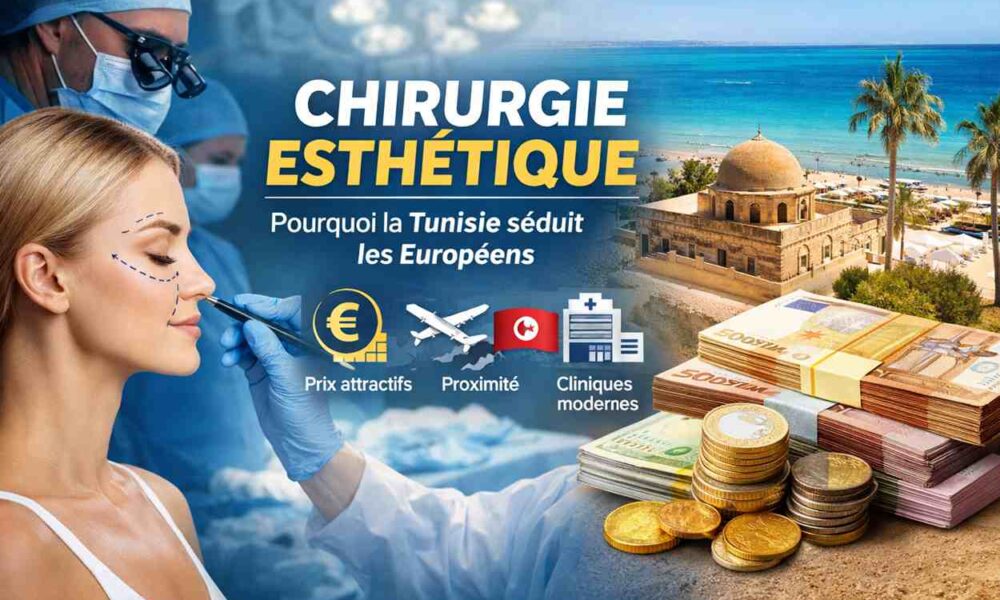
Tunisia is widely regarded as the best country for plastic surgery in North Africa, thanks to its long-established medical tourism industry, surgeons trained in France and Belgium, government-regulated clinics, and savings of 30–70% compared to Western Europe. Morocco and Egypt are strong competitors with their own advantages, while Algeria remains primarily a source of outbound patients rather than a developed inbound destination.
North Africa’s Growing Role in Global Plastic Surgery
North Africa has become one of the fastest-growing regions for medical tourism, driven by proximity to Europe, favorable exchange rates, and a growing base of internationally trained surgeons. Tunisia, Morocco, and Egypt are the three main hubs, each attracting international patients for procedures such as rhinoplasty, breast augmentation, liposuction, tummy tucks, and facelifts.
Choosing the right country depends on four factors that matter most to international patients:
- Regulatory oversight of clinics and surgeons
- Surgeon training and international affiliations
- Cost savings compared to the patient’s home country
- Travel logistics and recovery experience
Country Comparison: Tunisia vs. Morocco vs. Egypt vs. Algeria
| Factor | Tunisia | Morocco | Egypt | Algeria |
| Regulatory body | Tunisian Ministry of Health + Ordre des Médecins de Tunisie | Ministry of Health, quality assurance framework still developing | Ministry of Health, growing private accreditation | Limited developed framework for inbound patients |
| Surgeon training | Largely trained in France, Belgium, and Germany | Largely trained in France and Switzerland | Mix of local and UK/Gulf-trained surgeons | Primarily serves domestic patients |
| Typical savings vs. Western Europe/US | 30–70% | 30–60% | Often 50%+ due to currency exchange | Not established as an inbound market |
| International accreditation | Some private clinics hold or pursue international accreditation; all doctors must register with the national medical council | No JCI-accredited hospitals as of recent data | Growing number of private international-standard clinics | Limited |
| Distinctive strength | Long-established industry, thalassotherapy/spa-based recovery, strong francophone patient base | Strong value pricing, French/Swiss-trained surgeons | Rapid growth, strong currency advantage, proximity to the Gulf | Large domestic demand, but Algerians travel abroad (notably to Tunisia) rather than the reverse |
| Best known for | Rhinoplasty, breast surgery, body contouring | Cosmetic and reconstructive surgery, physiotherapy-based recovery | Rhinoplasty, liposuction, BBL, facelifts | N/A for international patients |
Why Tunisia Is the Best Choice for Plastic Surgery in North Africa
A Mature, Regulated Medical Tourism Industry
Tunisia is a country where cosmetic and plastic surgeons are directly regulated by the Ministry of Health, and every practicing surgeon must be registered with the Ordre National des Médecins de Tunisie. Many Tunisian surgeons also belong to professional bodies such as the Société Tunisienne de Médecine Esthétique (STME) and the International Society of Aesthetic Plastic Surgery (ISAPS), giving patients an added layer of verification beyond the clinic’s own marketing claims.
Surgeons Trained to European Standards
A large share of Tunisian plastic surgeons complete part of their training in France, Belgium, or Germany, which means techniques and safety protocols closely mirror those used in Western Europe. This is a major reason the country has built a loyal patient base among French- and Belgian-speaking Europeans over more than a decade.
Meaningful Cost Savings Without Cutting Corners
Patients typically save 30% to 70% compared to equivalent procedures in Western Europe or North America. As one example, a rhinoplasty that costs several thousand dollars more in the United States can be performed in Tunisia at a significantly lower price, while still following internationally recognized surgical protocols. These savings come from lower operating costs and cost of living — not from lower-quality materials or shortcuts in care.
A Recovery Experience Built Around Wellness
Tunisia’s Mediterranean climate and centuries-old thermal spa tradition (thalassotherapy) give it a distinctive advantage for post-operative recovery. Many clinics pair the surgical stay with time at a seaside hotel or wellness center, which is less common in some competing destinations.
Easy Access from Europe and the Region
Tunisia’s geographic position — short flight times from major European cities, simplified visa requirements for many nationalities, and a bilingual (French/English) medical environment — makes it one of the most logistically convenient destinations in North Africa, particularly for French-speaking patients.
How Morocco Compares
Morocco is a credible competitor, particularly known for cosmetic and reconstructive surgery performed by surgeons trained in France and Switzerland, with savings of roughly 30–60% compared to Western prices. Its quality-assurance framework for healthcare is comparatively newer, and as of recent data, no Moroccan hospitals hold JCI accreditation — a factor patients researching international accreditation should weigh alongside price.
How Egypt Compares
Egypt has grown rapidly as a cosmetic surgery destination, helped by a favorable currency exchange rate that gives international patients strong purchasing power, along with proximity to Gulf countries. Its private clinic sector is expanding quickly, though the market is younger and more fragmented than Tunisia’s, so due diligence on individual clinic accreditation matters more.
How Algeria Compares
Algeria is not currently a significant inbound destination for international plastic surgery patients. In fact, the opposite pattern holds: Algerians represent one of the largest groups of medical tourists traveling to Tunisia for cosmetic procedures, drawn by geographic proximity and the depth of Tunisia’s private clinic network.
Frequently Asked Questions
What is the best country for plastic surgery in North Africa? Tunisia is generally considered the top choice in North Africa, based on its regulatory framework, European-trained surgeons, established medical tourism infrastructure, and consistent cost savings of 30–70% compared to Western Europe.
Is plastic surgery in Tunisia safe? Tunisian cosmetic and plastic surgeons are regulated by the Ministry of Health and must be registered with the national medical council. As with any destination, safety depends heavily on choosing an accredited clinic and a properly qualified, registered surgeon — patients should verify credentials directly rather than relying on marketing claims alone.
How much can I save by having plastic surgery in Tunisia instead of Europe? Savings typically range from 30% to 70% depending on the procedure and clinic, compared to equivalent surgery in Western Europe or North America. [Insert current, procedure-specific pricing if publishing final figures.]
How does Tunisia compare to Morocco and Egypt for plastic surgery? Tunisia has the most established medical tourism track record of the three, with a strong European-trained surgeon base and a distinctive spa-based recovery model. Morocco offers comparable surgeon training and slightly lower average prices but currently has no JCI-accredited hospitals. Egypt offers strong currency-driven savings and rapid market growth, but its accreditation landscape is newer and more variable.
How long should I plan to stay in Tunisia for recovery after surgery? [Insert clinic-specific, procedure-specific recovery timelines rather than a generic figure, since this varies significantly by procedure.]
Where to Start Your Journey
Patients researching plastic surgery in North Africa should prioritize clinics that are transparent about surgeon credentials, accreditation status, and what is included in a treatment package. Aram Clinic Tunisia is one option for patients considering Tunisia specifically.
Conclusion
Among North Africa’s medical tourism hubs, Tunisia stands out for combining regulatory oversight, European-trained surgeons, meaningful cost savings, and a recovery experience built around its Mediterranean and thermal spa heritage. Morocco and Egypt each offer credible alternatives with their own strengths, but Tunisia’s decade-plus track record and infrastructure give it a clear edge for international patients evaluating North Africa as a plastic surgery destination.