

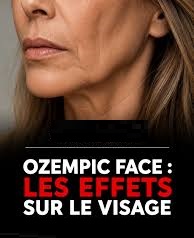
Ozempic Face: Why Rapid Weight Loss Can Age Your Face and How to Restore It
The growing popularity of GLP-1 medications for weight management has transformed the treatment of obesity and type 2 diabetes. Drugs such as Ozempic®, Wegovy®, and Mounjaro® have helped millions of people achieve significant weight loss. However, this rapid transformation has also brought attention to a new aesthetic concern commonly known as Ozempic Face.
Despite its name, Ozempic Face is not a medical condition or a side effect caused directly by the medication. Instead, it refers to the loss of facial fat that often accompanies rapid weight loss. As facial volume decreases, the face may appear thinner, more hollow, and older than before.
What Is Ozempic Face?
Ozempic Face describes the changes in facial appearance that occur after substantial weight loss. Fat is naturally distributed throughout the face, providing support, contour, and youthful fullness. When the body loses weight quickly, facial fat is reduced along with fat in other areas of the body.
As a result, the cheeks may become hollow, the temples may appear sunken, and facial contours can become more pronounced. These changes often create a tired or prematurely aged appearance, even though the individual may be healthier than ever.
Which Medications Can Be Associated with Ozempic Face?
Although the condition is commonly referred to as Ozempic Face, similar facial changes may occur with any treatment or intervention that produces significant weight loss, including:
- Ozempic® (semaglutide)
- Wegovy®
- Mounjaro® (tirzepatide)
- Zepbound®
- Bariatric surgery
- Very low-calorie diets or rapid weight-loss programs
The underlying cause is the speed and extent of fat loss rather than the medication itself.
Common Signs of Ozempic Face
Patients experiencing facial volume loss may notice:
- Hollow cheeks
- Sunken temples
- More noticeable under-eye hollows
- Deeper nasolabial folds
- Loss of facial definition
- Loose or sagging skin
- More visible jowls
- Increased appearance of fine lines and wrinkles
These changes are generally more noticeable in adults over the age of 40, when collagen production naturally declines.
Why Does the Face Look Older?
Facial aging is influenced by several factors. As we age, the body gradually produces less collagen, elastin, and hyaluronic acid. At the same time, the deep fat pads that support the face naturally diminish.
Rapid weight loss accelerates this process by reducing subcutaneous fat even further. Without adequate volume beneath the skin, facial tissues lose support, making wrinkles, folds, and bone structure more apparent.
The result is often a slimmer face that unfortunately appears older and more fatigued.
Is Everyone Affected?
Not necessarily.
The severity of Ozempic Face varies depending on several factors, including:
- Age
- Skin quality and elasticity
- Amount of weight lost
- Speed of weight loss
- Individual genetics
Younger patients with firm, elastic skin generally experience fewer visible changes than older individuals who lose a significant amount of weight in a short period.
Can Ozempic Face Be Prevented?
Although it cannot always be avoided, several strategies may help reduce its severity.
Gradual weight loss, when medically appropriate, allows the skin more time to adapt. Maintaining adequate protein intake, staying well hydrated, and following a balanced diet rich in vitamins and antioxidants may also support skin health.
Early consultation with an aesthetic physician can help identify preventive treatments before facial volume loss becomes more pronounced.
How Can Ozempic Face Be Treated?
Modern aesthetic medicine offers several effective options to restore facial harmony without extensive surgery.
Hyaluronic Acid Fillers
Dermal fillers remain one of the most popular treatments for restoring lost facial volume.
Strategic injections can replenish the cheeks, temples, jawline, and tear troughs while maintaining a natural appearance.
Results are immediate and can significantly improve facial balance.
Collagen-Stimulating Injectables
Biostimulatory injectables, such as poly-L-lactic acid (PLLA) and calcium hydroxylapatite, stimulate the body’s natural collagen production rather than simply adding volume.
These treatments gradually improve skin firmness and restore facial structure over several months.
Facial Fat Transfer (Lipofilling)
For patients with more significant volume loss, facial fat grafting offers a long-lasting solution.
Fat is harvested from another area of the body, purified, and carefully injected into areas requiring restoration, providing natural-looking and durable results.
Skin Boosters
Skin boosters deeply hydrate the skin, improve elasticity, and restore radiance. They are often combined with other treatments to enhance overall skin quality.
Skin Tightening Technologies
Advanced technologies such as radiofrequency microneedling, focused ultrasound, and collagen-stimulating energy-based devices can tighten loose skin and improve facial firmness without surgery.
Should You Stop Taking Your Weight-Loss Medication?
In most cases, the answer is no.
The health benefits of weight loss—including improved cardiovascular health, better diabetes control, reduced joint pain, and lower metabolic risk—generally outweigh aesthetic concerns.
Rather than discontinuing treatment, patients should discuss aesthetic options with qualified healthcare professionals who can help restore facial balance while preserving the benefits of weight loss.
A Personalized Treatment Plan Is Essential
Every face ages differently, and every patient responds uniquely to weight loss.
A comprehensive facial assessment allows an experienced aesthetic physician to determine the most appropriate combination of treatments based on facial anatomy, skin quality, and individual goals.
The objective is never to create an overfilled appearance but to restore natural proportions and youthful facial harmony.
Conclusion
Ozempic Face has become one of the most widely discussed aesthetic consequences of rapid weight loss. Although the term is linked to GLP-1 medications, it actually reflects the natural loss of facial fat associated with significant weight reduction.
Fortunately, today’s aesthetic treatments—including dermal fillers, collagen stimulators, facial fat transfer, and skin-tightening procedures—can effectively restore lost volume and improve facial contours. With a personalized treatment approach, patients can enjoy both the health benefits of weight loss and a refreshed, natural-looking appearance.
Frequently Asked Questions
Is Ozempic Face permanent?
No. In most cases, facial volume loss can be successfully improved with personalized aesthetic treatments.
Can Ozempic Face occur without taking Ozempic?
Yes. Any rapid weight loss—whether caused by bariatric surgery, strict dieting, or other GLP-1 medications—can lead to similar facial changes.
What is the best treatment for Ozempic Face?
The ideal treatment depends on the degree of volume loss and skin laxity. Hyaluronic acid fillers, collagen stimulators, facial fat grafting, and skin-tightening procedures are among the most effective options.
Can Ozempic Face be prevented?
Although it cannot always be completely prevented, gradual weight loss, proper nutrition, and early aesthetic care can significantly reduce its impact.