

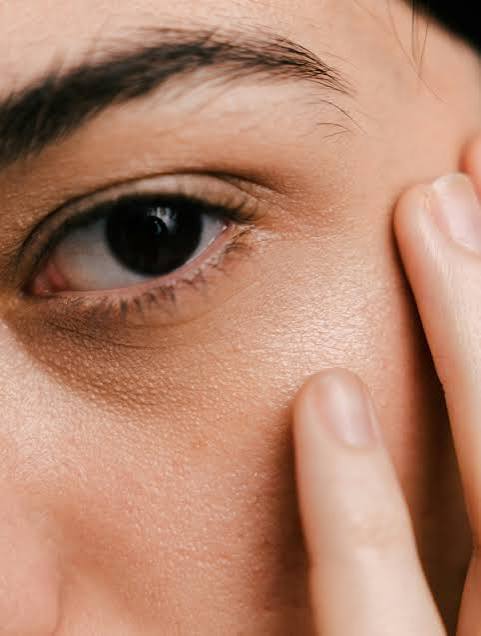
The eyes are often one of the first areas of the face to reveal the signs of aging. Heavier eyelids, dark circles, under-eye bags, drooping eyebrows, and fine lines can gradually make the face look tired, sad, or older. Yet rejuvenating the eye area does not necessarily mean changing your facial expression.
Today, aesthetic medicine and cosmetic surgery techniques can help achieve a more rested and refreshed appearance while preserving the face’s natural expressions. The goal is no longer to radically alter facial features, but rather to correct the factors that make the eyes look tired while respecting each patient’s anatomy and individual characteristics.
Why Do the Eyes Look More Tired With Age?
Aging around the eyes is multifactorial. It does not only affect the skin of the eyelids. Over time, several changes occur simultaneously: the skin gradually loses elasticity, tissues become looser, facial volume shifts, and certain fat compartments become more visible.
In the upper eyelids, excess skin can make the eyes appear smaller or heavier. On the lower eyelids, under-eye bags and dark circles can further accentuate a tired appearance.
Aging can also affect the eyebrow and temple areas. A slight drooping of the outer part of the eyebrow can contribute to a more closed-off appearance, while volume loss around the eyes can accentuate shadows and hollows.
An aging eye area is therefore rarely caused by a single issue. This is why a personalized approach is essential to avoid overcorrection.
Rejuvenating the Eyes Without Changing Them: Finding the Right Balance
A natural-looking eye area is not defined simply by the absence of wrinkles. It also depends on eyelid mobility, eyebrow position, volume distribution, and muscle dynamics.
An overly aggressive correction can result in an artificial appearance, such as excessively hollow eyelids, overly elevated eyebrows, a frozen-looking gaze, or an expression that no longer reflects the patient’s personality.
Conversely, a carefully planned treatment aims to correct signs of fatigue without eliminating the features that make the face expressive.
The principle is simple: the goal is not to create a new look, but to gradually restore the fresher and more rested appearance the face once had.
What Are the Options for Naturally Rejuvenating the Eyes?
The choice of treatment depends on the cause of aging and the extent of the changes observed. A consultation makes it possible to assess the skin, eyelids, eyebrows, facial volume, and overall facial dynamics before determining the most appropriate solution.
Aesthetic Medicine: Subtly Correcting Early Signs of Aging
When signs of aging are moderate, certain aesthetic medicine treatments can improve the appearance of the eye area without surgery.
Botulinum toxin may be used in selected cases to reduce expression lines, particularly crow’s feet. The goal of a properly dosed treatment is not to completely block facial movements, but to reduce excessive muscle contraction while preserving natural facial expressions.
In certain situations, injections may also be considered to harmonize specific areas of the upper face. However, their use should be carefully assessed because the area around the eyes is particularly delicate.
Hyaluronic Acid and Volume Restoration
Dark circles and hollows under the eyes are not always simply the result of a lack of sleep. With age, the loss or displacement of certain facial volumes can accentuate shadows around the eyes.
In carefully selected cases, hyaluronic acid injections can help restore certain volumes and visually reduce the hollow appearance around the eyes.
However, this area requires a high level of precision. Not all dark circles should be treated with injections, particularly when they are primarily caused by fat pads, skin laxity, or pigmentation.
Blepharoplasty: Removing Excess Without Changing the Eyes
When excess skin or under-eye bags are more pronounced, blepharoplasty may be an appropriate surgical solution.
Upper blepharoplasty primarily addresses excess skin and, when indicated, certain fatty deposits in the upper eyelid.
Lower blepharoplasty can help correct under-eye bags and, depending on the patient’s anatomy, treat or reposition certain fat compartments.
The goal of modern eyelid surgery is not to systematically remove as much skin or fat as possible. Excessive correction can actually result in a hollow or artificial appearance.
Current approaches therefore tend to favor a more conservative, anatomy-based strategy in order to preserve facial balance and natural expressions.
What If the Eyebrows Also Contribute to the Problem?
In some cases, a heavy-looking gaze is not caused solely by the eyelids. The position of the eyebrows also plays an important role in how open or youthful the eyes appear.
A slightly lowered eyebrow, particularly at its outer end, can accentuate the drooping appearance of the upper eyelid.
Depending on the diagnosis, different approaches may be considered. A non-surgical treatment may sometimes be sufficient when the change is mild. In other situations, forehead or brow surgery may be discussed.
Again, the goal is not to create extremely high or strongly arched eyebrows, but to restore a harmonious position in relation to the rest of the face.
Why Should You Avoid Overcorrecting the Eye Area?
The area around the eyes is particularly expressive. It contributes to a wide range of emotions, including smiling, surprise, concentration, fatigue, and happiness.
An excessive correction can alter these natural dynamics and make the face appear less responsive or expressive.
This is why modern approaches often emphasize:
- a measured correction of excess skin;
- preservation of the volumes needed to support the eye area;
- respect for natural eyelid and eyebrow mobility;
- an overall facial assessment rather than focusing on a single area;
- treatment tailored to the patient’s age, anatomy, and expectations.
The best aesthetic result is often the one that is noticed through a fresher-looking face rather than through the procedure itself.
Can You Preserve Your Facial Expressions After Blepharoplasty?
Yes. The goal of a properly indicated and carefully planned blepharoplasty is to correct signs of aging while maintaining a natural appearance.
Surgery should not aim to eliminate facial expressions. Instead, it primarily addresses the anatomical factors responsible for a heavy or tired-looking eye area.
However, the outcome depends on many factors, including the patient’s initial anatomy, skin quality, degree of laxity, surgical technique, and the surgeon’s experience.
It is therefore essential to discuss the desired outcome in detail during the preoperative consultation.
Do You Always Need Surgery to Rejuvenate Your Eyes?
No. There is no single universal method for rejuvenating the eye area.
For some patients, certain expression lines can be improved with aesthetic medicine. For others, significant excess skin or prominent under-eye bags may make surgery more appropriate.
Several factors may also be present simultaneously. In such cases, a combined treatment strategy may be considered, always in a progressive and personalized manner.
The treatment decision should therefore begin with one essential question: what is actually making the eyes look tired?
The Importance of a Personalized Assessment
Two people of the same age can have completely different signs of aging. One may primarily have expression lines, while another may have under-eye bags, excess skin, or volume loss.
A specialist consultation makes it possible to assess several factors, including skin quality, eyebrow position, eyelid mobility, volume around the eyes, under-eye bags, and overall facial harmony.
This assessment can then determine whether a non-surgical, surgical, or potentially combined approach is the most appropriate.
Rejuvenating the Eyes in Tunisia: Prioritizing Natural Results
Aesthetic medicine and cosmetic surgery for the eye area have evolved considerably. Today, the objective is no longer simply to remove what appears excessive, but to understand how each anatomical element contributes to overall facial balance.
At Aram Clinic Tunisia, aesthetic eye rejuvenation follows this personalized approach. Treatment is determined according to the patient’s anatomy, needs, and expectations, with particular attention paid to preserving a harmonious and natural-looking result.
Whether the goal is to correct drooping eyelids, under-eye bags, certain types of dark circles, or expression lines, the objective remains the same: to restore a fresher, more rested appearance without losing what makes the eyes look natural.
FAQ – Natural Eye Rejuvenation
How can I rejuvenate my eyes without surgery?
When signs of aging are moderate, certain aesthetic medicine treatments may be considered, particularly for specific expression lines or certain volume deficiencies. The appropriate treatment depends on the underlying cause of the aging appearance.
Does blepharoplasty change facial expression?
A properly indicated and performed blepharoplasty aims to preserve a natural appearance. The result depends, among other factors, on the amount of skin removed, how facial volumes are managed, and the patient’s individual anatomy.
How can I avoid a frozen-looking appearance after injections?
The treatment strategy should include adapting the dosage and injection points to each patient’s individual muscle dynamics. The goal is to reduce certain signs of aging while maintaining natural facial movement.
At what age can you have your eyes rejuvenated?
There is no universal ideal age. Treatment may be considered when bothersome signs of aging appear, provided that the procedure or treatment is appropriate for the patient’s anatomy and expectations.
What is the best technique for rejuvenating the eyes?
There is no single best technique for everyone. Botulinum toxin, dermal fillers, medical treatments, and blepharoplasty address different concerns. A personalized assessment is necessary to determine the most appropriate option.
Conclusion
Rejuvenating the eyes without changing facial expression is now a key objective of modern aesthetic medicine and cosmetic surgery. Rather than transforming facial features, current techniques aim to correct the signs that make the face look tired while preserving its volume, mobility, and individual identity.
A rejuvenated eye area should ultimately look more rested, brighter, and more harmonious, without giving the impression that the face has been completely transformed.